How we label
Conflict & Repair
Attachment & Self-Knowledge
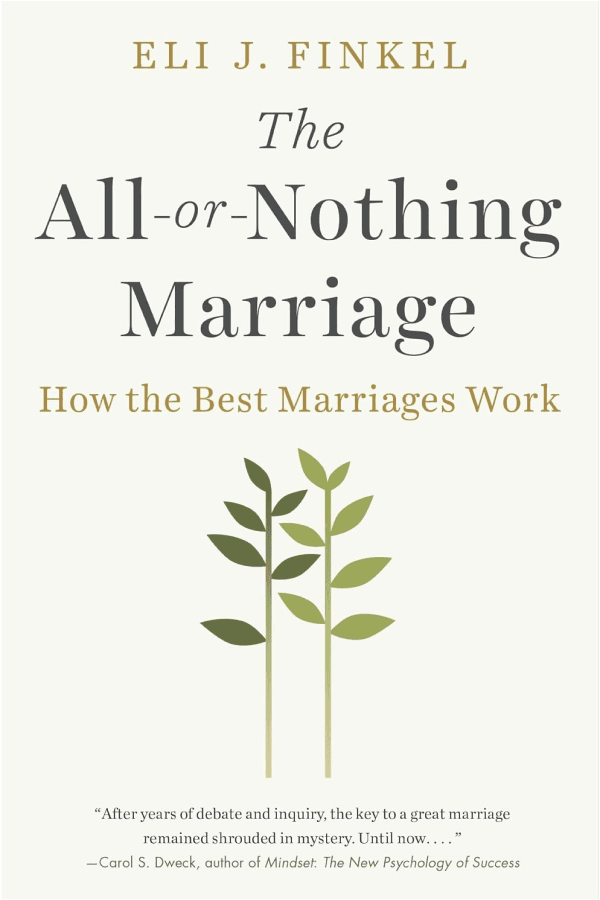
Desire & Sexuality
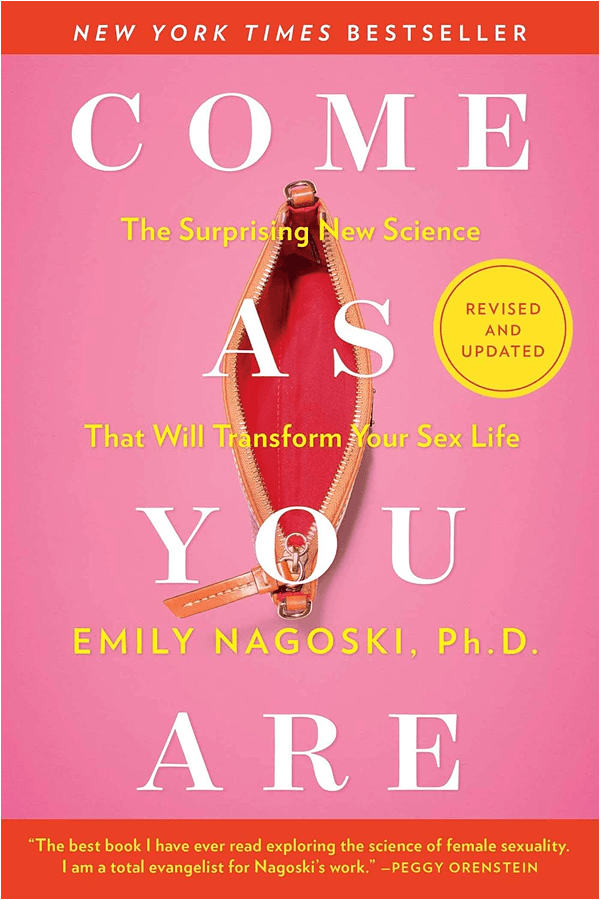
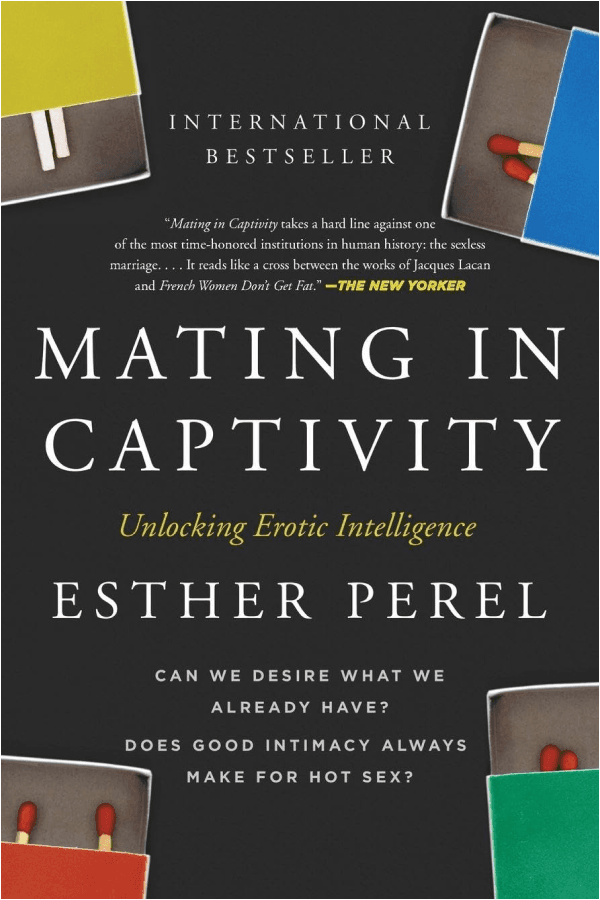
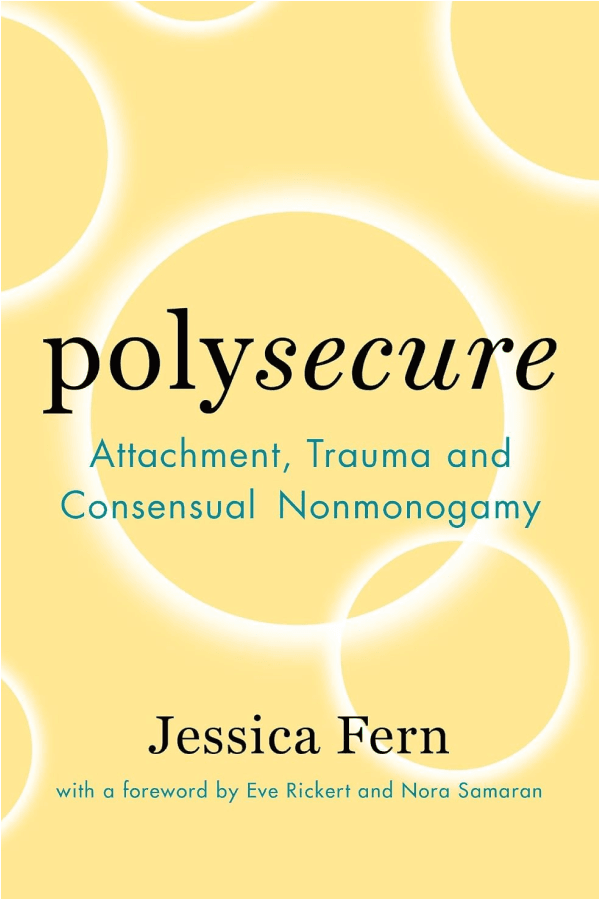
Dating & Beginnings
Practice & Embodiment
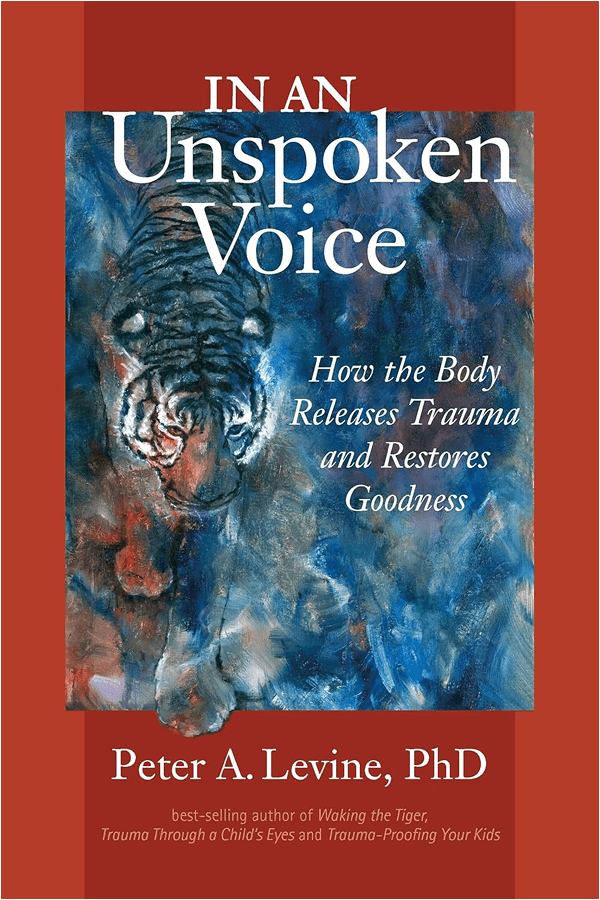
Seventeen books. Some of them were tested in a lab for thirty years and some of them are one clinician's hard-won sense of what happens in a room, and we've said which is which on every single one. The labels aren't a ranking. A practice tradition can change your marriage and a research-backed finding can bore you to death. They're just the truth about where each idea stands, and the difference matters more the worse your week is going.
Nobody paid to be here. There are no purchase links, because we haven't finished verifying where each of these should send you and we'd rather send you nowhere than somewhere careless. Your library has most of them.
On the book we hope you don't need
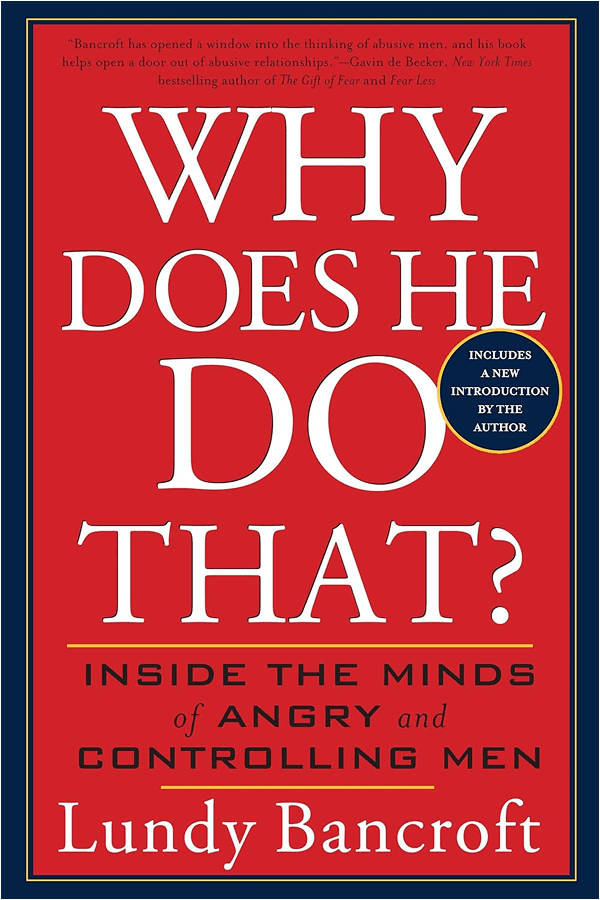
If you're reading Why Does He Do That? and recognizing your own house, the rest of this shelf is the wrong help, and we'd rather say so than sell you a communication technique. Nearly everything else here assumes two people who are both safe and both trying.
Some things we left off, and why
The 5 Love Languages. The one everybody expects. When researchers finally tested the three claims underneath it, that people have one primary language, that there are exactly five, and that matched couples are happier, none of them held (Impett, Park, and Muise, 2024; Chopik, 2023). It's a nice conversation to have over dinner. We're not going to pretend it's a finding.
Attached. The book most people have already read, and it's not a bad one. We left it off because its typology hardens so easily into identity, and "I'm an anxious, he's an avoidant" is where a lot of people stop doing the work. The research it summarizes is real, so we've pointed you at the research instead.
Wired for Love. The couple-bubble idea is genuinely useful. The brain-science framing wrapped around it is doing more work than the evidence supports, and we couldn't put a label on the book that we'd be willing to defend.
Two gaps we can't fill honestly. We looked for a book on conflict between neurodivergent and neurotypical partners that we'd stand behind, and we didn't find one. The serious work there is still in the journals. And the science of what makes relationships flourish, as opposed to what makes them fail, is measured and real and has produced no trade book we can recommend without a caveat. If you know one, tell us through the desk below.
Sources
The seventeen works on this shelf, in the order they appear:
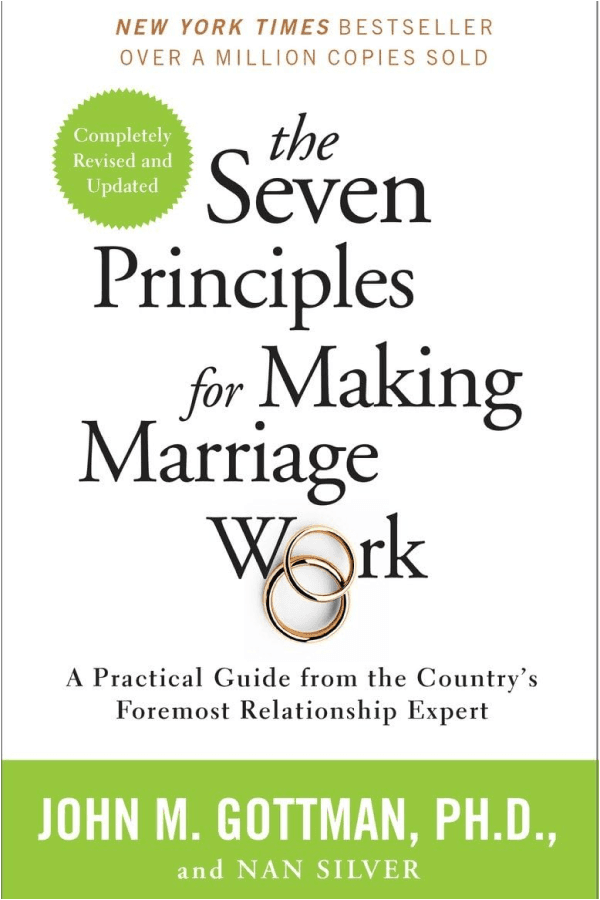
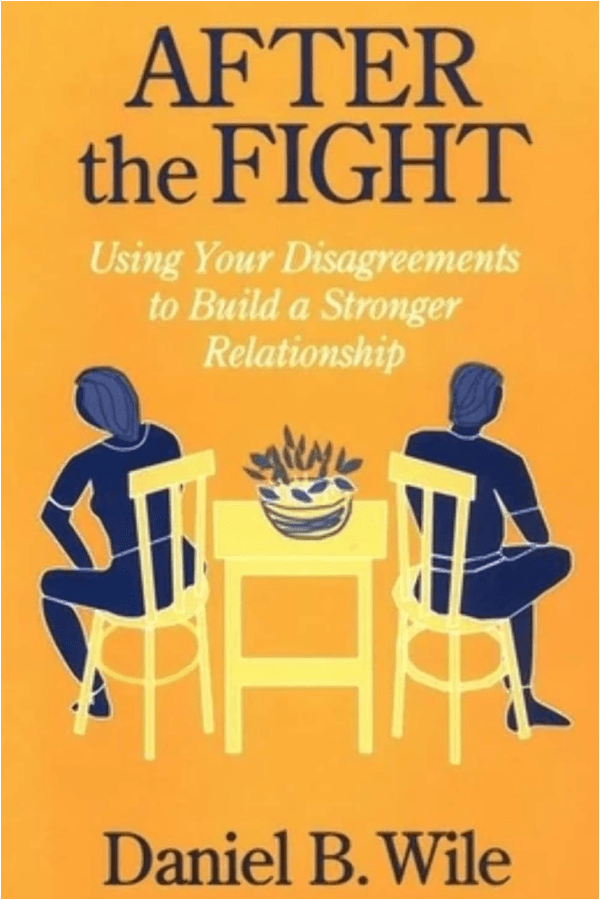
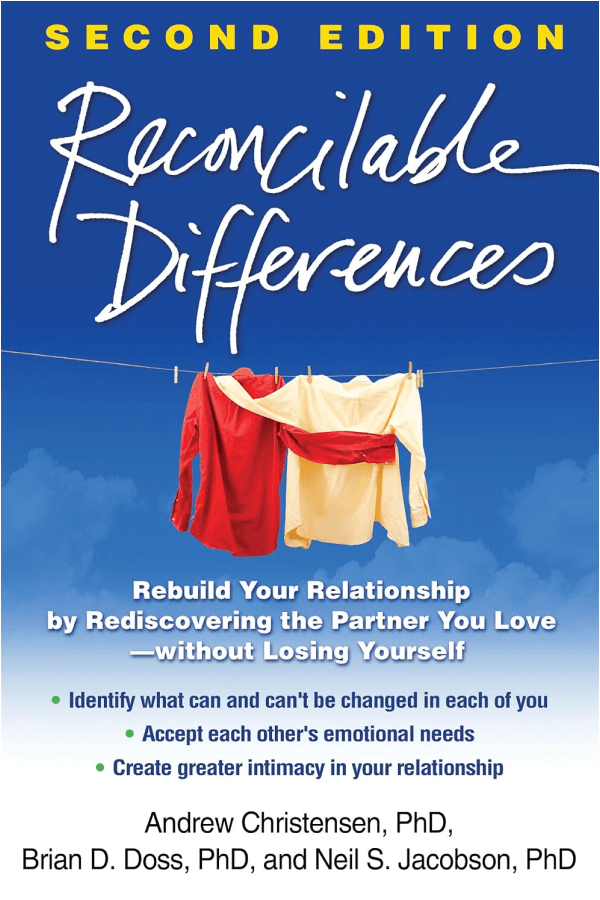
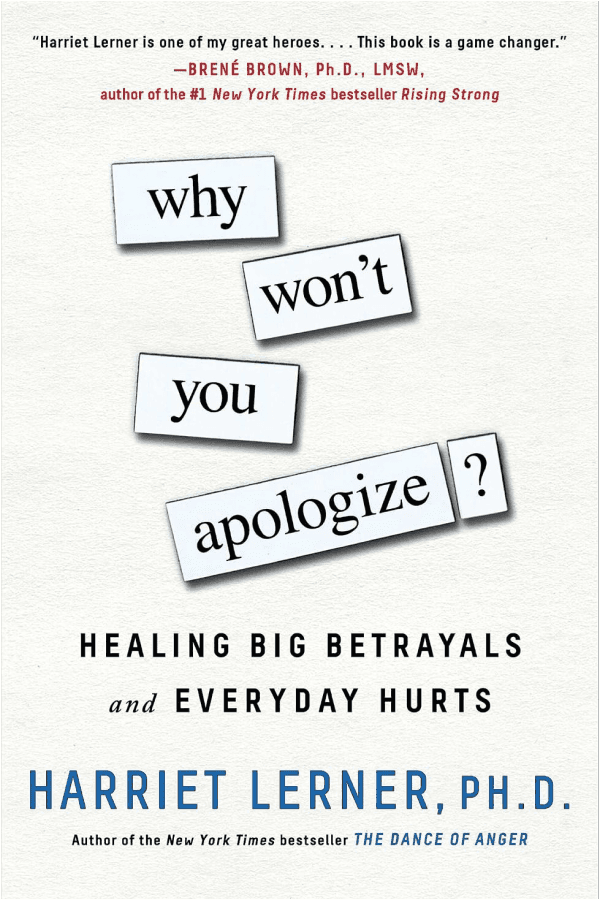
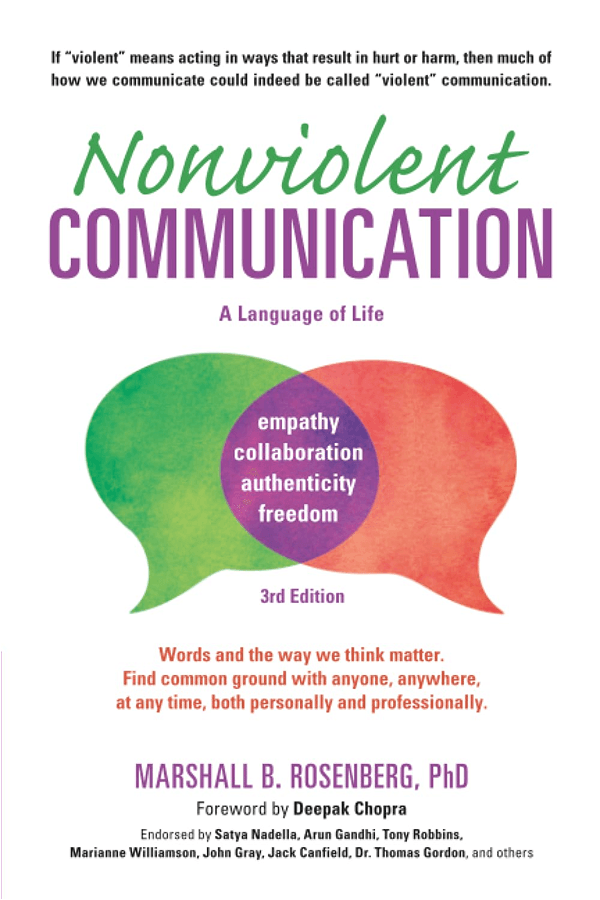
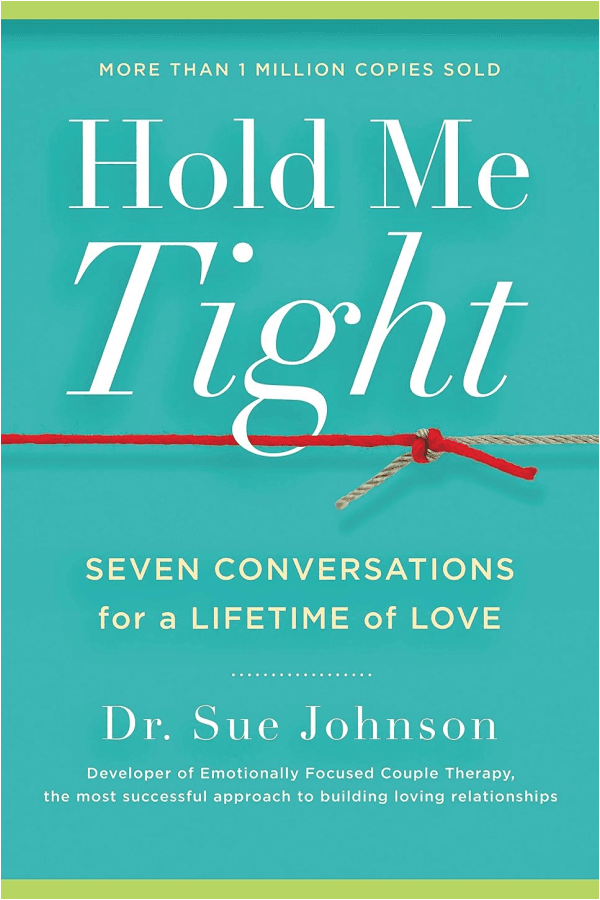
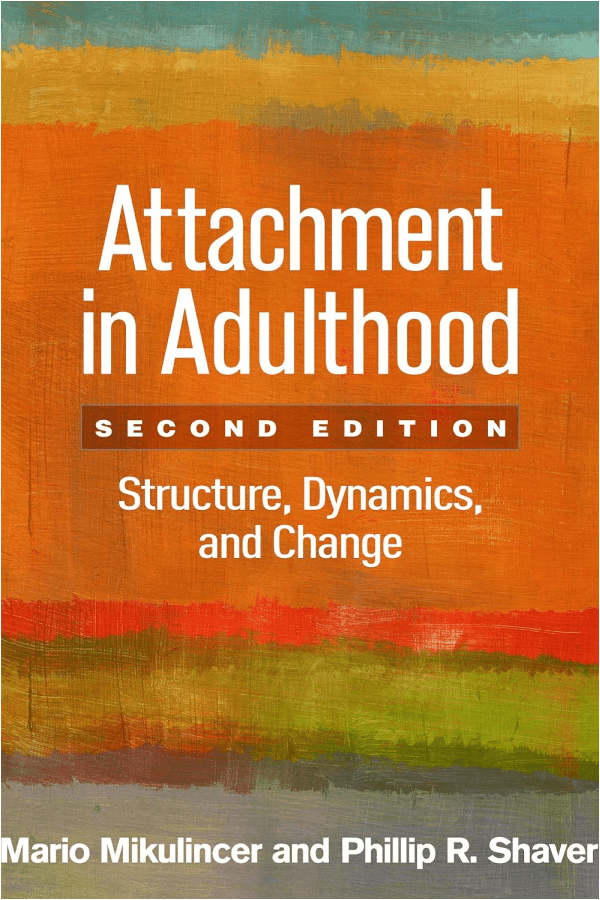
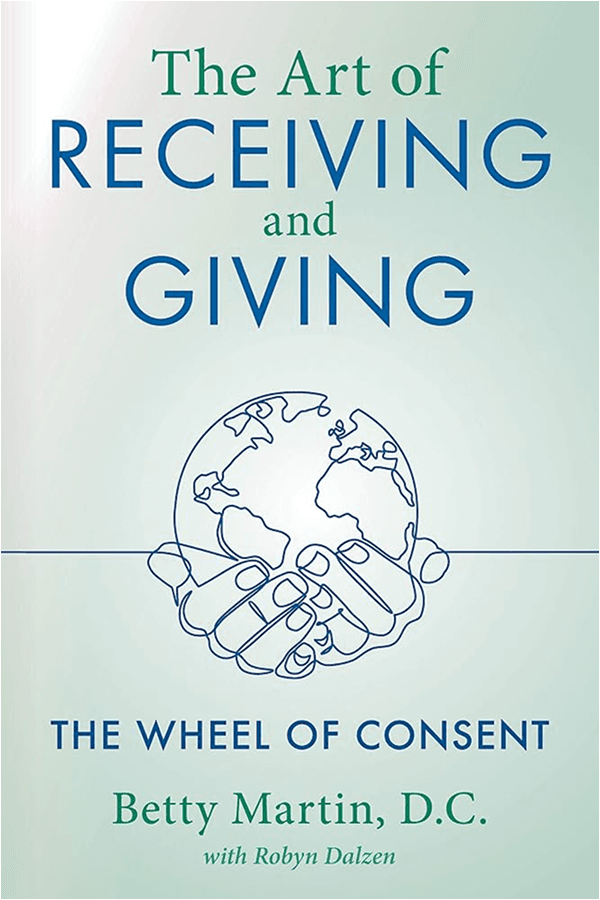
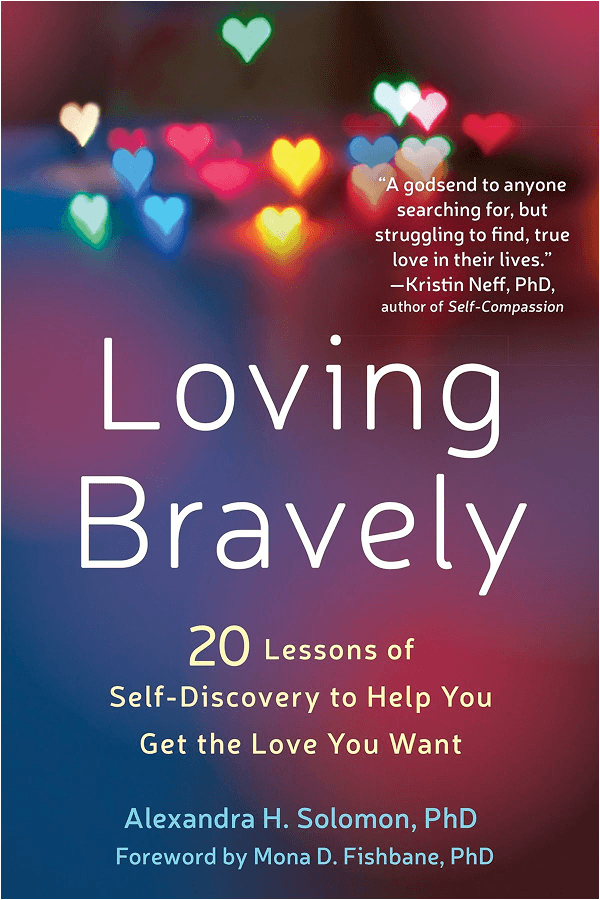
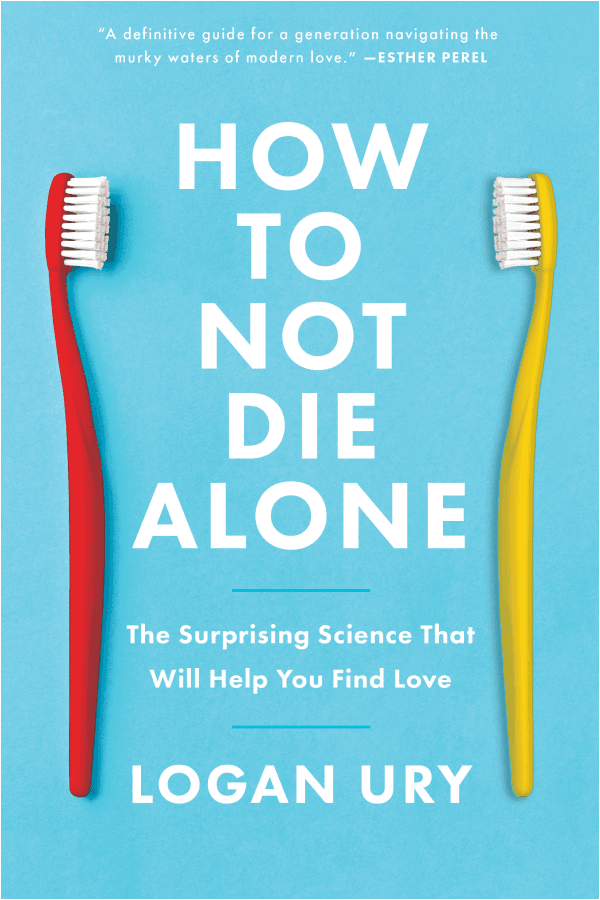
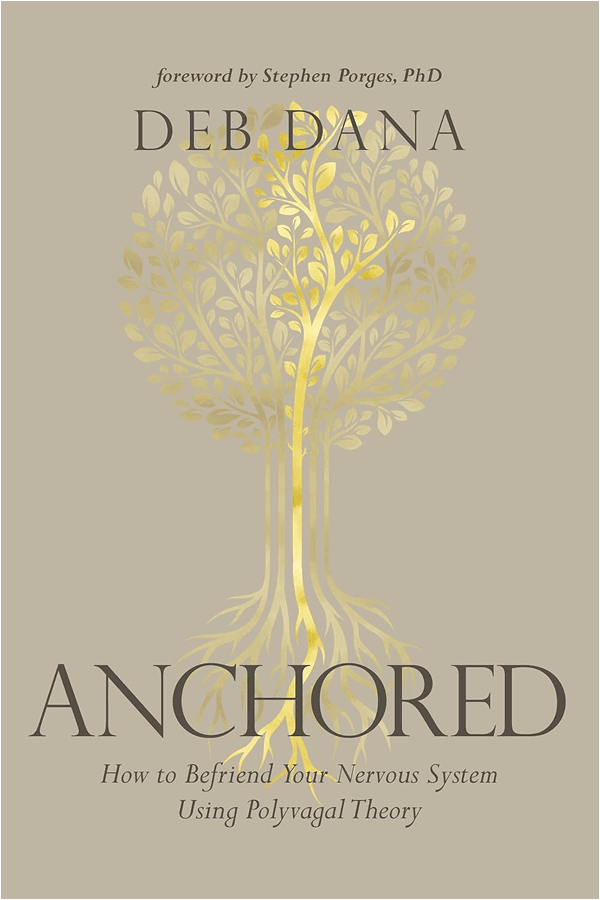
Gottman, J., with Silver, N. The Seven Principles for Making Marriage Work (1999; rev. 2015) · Wile, D. After the Fight (1993) · Christensen, A., Doss, B., and Jacobson, N. Reconcilable Differences, 2nd ed. (2014) · Lerner, H. Why Won't You Apologize? (2017) · Rosenberg, M. Nonviolent Communication, 3rd ed. (2015) · Johnson, S. Hold Me Tight (2008) · Mikulincer, M., and Shaver, P. Attachment in Adulthood, 2nd ed. (2016) · Finkel, E. The All-or-Nothing Marriage (2017) · Dana, D. Anchored (2021) · Levine, P. In an Unspoken Voice (2010) · Nagoski, E. Come as You Are (2015; rev. 2021) · Perel, E. Mating in Captivity (2006) · Fern, J. Polysecure (2020) · Martin, B. The Art of Receiving and Giving: The Wheel of Consent (2021) · Solomon, A. Loving Bravely (2017) · Ury, L. How to Not Die Alone (2021) · Bancroft, L. Why Does He Do That? (2002).
On the claims we make about them: Impett, E., Park, H., and Muise, A. (2024) and Chopik, W. (2023) on the love-languages assumptions. Grossman, G., et al. (2026) on polyvagal theory's anatomical claims, where the debate is live and worth watching. Gottman's divorce-prediction percentages are reported as they are because they were postdiction and did not survive independent cross-validation; the descriptive constructs are unaffected.
Every grade on this page was screened against our relationship-science source of truth before it was written. Where the evidence is thin, the label says thin.
Something here off, broken, or not sitting right? Tell us — a person reads it.
People and books appear here because we’d recommend them with nothing to gain. Some may partner with us over time; no one is listed because of it.